Grandfather's Clock and Three Minutes
Listen to story
--:--
May 18, 2026
sacrificegratitudefamilytime
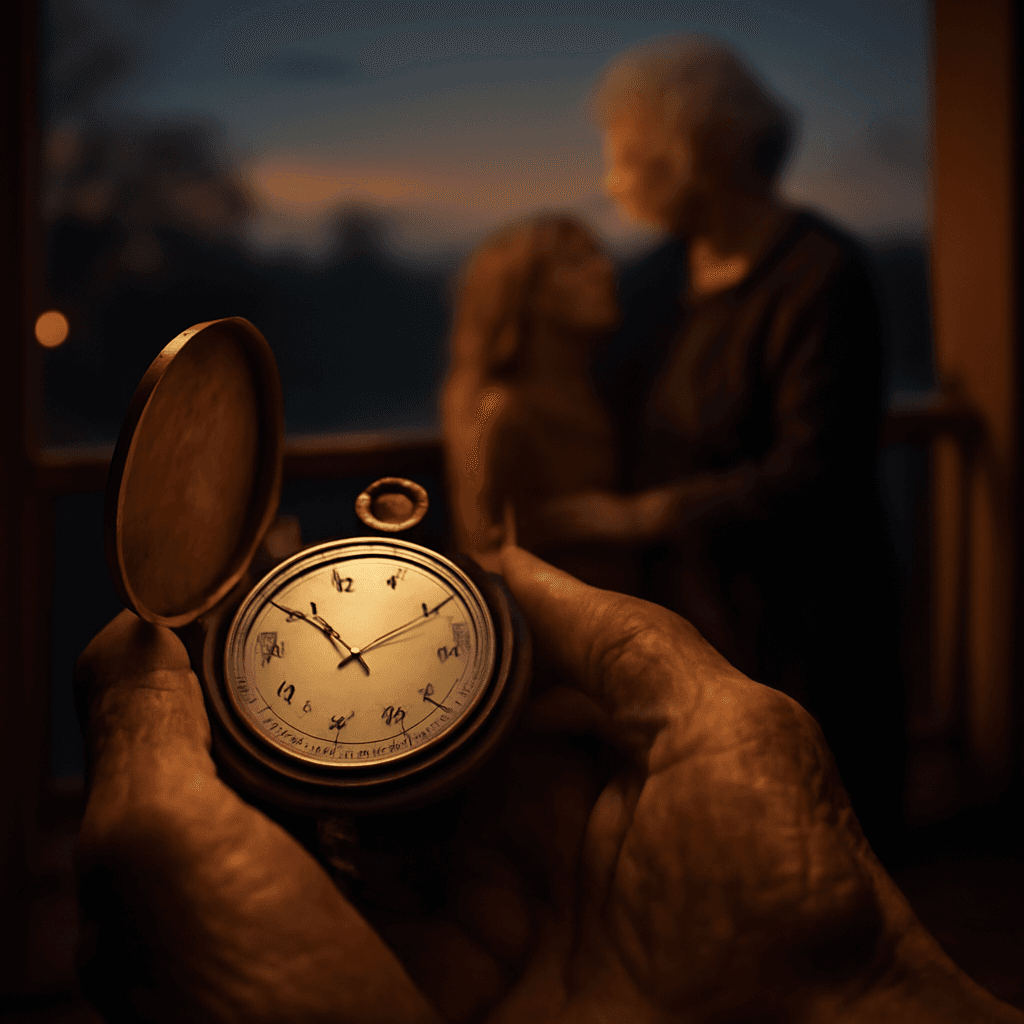
Maja inherited her grandfather's pocket watch. It was old, scratched, and — it was running late. Exactly three minutes every day.
"Mom, why did Grandpa leave me a broken watch?" Maja asked one evening as they sat on the balcony.
Eva took the watch in her hands, turned it over, and showed her the back. There was a small engraving that Maja had noticed before but never read. The letters were tiny, worn from years of handling.
Maja brought the watch closer to her eyes and began to read. When she finished, her hands were trembling.
"Mom... this can't be true?"
Eva simply nodded. "Your grandfather, Otto, told me this story only once. On the day I got married. He said a day would come when you would be ready to hear it too. I think today is that day."
On the back of the watch, it read: "For those three minutes — thank you."
Eva took a deep breath. "Your grandfather Otto was a firefighter when he was young. One night, the alarm rang at three in the morning. An apartment building on the edge of town was on fire. Your grandfather and his partner Tomislav were the first on the scene."
"Grandpa never talked about it," Maja whispered, aware that in the next room, Pino was already asleep, and little Vito was breathing peacefully in his crib.
"Because it was hard for him. That night, there were children trapped in the building. Your grandfather went in first. He found two children on the second floor and brought them out. Tomislav went for the third child on the third floor."
Eva paused. Maja saw tears welling up in her eyes.
"Grandpa wanted to go after him, but the commander ordered a retreat — the roof was about to collapse. Grandpa said he needed just three minutes. The commander said no. The roof collapsed."
"Tomislav..."
"Tomislav didn't make it out. But the child he was looking for — a little four-year-old girl — somehow survived. The firefighters found her under a beam that Tomislav had held above her with his entire body."
Maja clutched the watch. "And Grandpa broke the watch?"
"Grandpa never fixed the watch. On purpose. Every day, when he saw how late it was, he remembered those three minutes. Not out of guilt — his therapist taught him that years later. But out of gratitude. Because those three minutes taught him that every minute is a gift. To never delay a hug. To never leave someone angry. To say 'I love you' before closing the door."
"Mom, who was that little girl?"
Eva
Stories are AI-generated with editorial curation.